

Dry Eye Quiz2
The 60-Second Eye Assessment That Reveals the Hidden Cause Behind 86% of Dry Eye Cases
Developed using clinical screening criteria for meibomian gland dysfunction — the root cause behind the vast majority of dry eye cases.
Dry eye symptoms can have multiple underlying causes — tear evaporation, blocked oil glands, inflammatory damage, or screen-related gland fatigue. The problem is that most people end up treating the wrong cause, which is why drops and compresses rarely provide lasting relief. This short assessment uses the same symptom patterns eye specialists look for to help identify what might actually be driving your discomfort — and what the clinical evidence suggests about effective treatment.
Analyzing your responses…
Reviewing your symptom pattern…
Your answers point to something most treatments completely miss.
The reason drops, masks, and prescriptions haven’t given you lasting relief isn’t because your condition is untreatable. It’s because they were never designed to address the real root cause.
Most people — and even many doctors — assume dry eyes simply mean your eyes aren’t producing enough moisture. So the standard advice is: use drops, try a warm compress, maybe get a prescription.
But here’s what the research actually shows:
Up to 86% of dry eye disease is caused by something called meibomian gland dysfunction (MGD) — tiny oil glands in your eyelids that have become blocked.
These glands produce the protective oil layer that keeps your tears from evaporating too quickly. When they get clogged, your tears disappear in seconds — no matter how many drops you use. That’s why relief never lasts. You’ve been treating the symptom (dryness on the surface) instead of the cause (blocked glands underneath).

Meibography scan: Healthy glands (left) vs. gland loss from prolonged blockage (right). Once meibomian glands atrophy, they cannot regenerate.
And if you spend hours looking at screens every day, it’s likely getting worse. Screen use reduces your blink rate by up to 66% — from around 22 blinks per minute to just 7. Each blink is what keeps those glands active and flowing. Fewer blinks means the oils harden, the glands clog, and your eyes dry out faster.
What the clinical research shows
Steam therapy for meibomian gland dysfunction isn’t new or unproven. It’s been studied in clinical settings for over a decade. Here’s what the evidence says:
The 40°C Threshold
Published research has established that blocked gland oils require sustained temperatures above 40°C to melt and flow again. Standard warm compresses and microwaveable masks drop below this threshold within 2–3 minutes — too fast for meaningful treatment.
Borchman, Current Eye Research, 2019
Steam Outperforms Dry Heat
A 2025 meta-analysis of clinical trials found that steam-based moisture chamber devices significantly outperformed standard warm compresses in improving tear film stability (p = 0.005). This is the strongest comparative evidence to date that steam works better than conventional heat masks.
Ballesteros-Sanchez et al., Contact Lens and Anterior Eye, 2025
Long-Term Results
In the longest randomised controlled trial comparing steam therapy to dry heat masks, patients using steam saw significant improvements in both tear film stability and dry eye symptom scores — sustained over 6 months.
Olafsson et al., Scientific Reports (Nature), 2021
Proven Safety
Across 13+ clinical trials and a comprehensive review of 58 human studies, steam-based therapy has shown zero adverse events. Eyelid redness actually decreased after treatment in clinical evaluation.
PMC review of 58 studies, 2022; Purslow, Contact Lens and Anterior Eye, 2013
How steam therapy addresses the root cause
When your meibomian glands are blocked, the oils inside harden — going from the consistency of olive oil to something closer to butter or even toothpaste. They can’t flow. Your tear film loses its protective layer. And your eyes dry out.
Steam therapy works by delivering warm, moist heat directly to your eyelids. Two things happen simultaneously:
1. The heat melts the blockage. Sustained therapeutic warmth above 40°C softens hardened gland oils back to a flowing consistency — so they can release naturally when you blink.
2. The moisture hydrates and softens. Unlike dry heat from microwaveable masks, steam adds moisture to the process — hydrating the ocular surface and softening clogged material for easier natural expression.
Why most treatments fall short
Eye Drops
Moisture Only
Adds temporary surface moisture. Cannot unclog blocked glands. Relief lasts minutes.
✗ Does not treat root cause
Warm Masks
Dry Heat Only
Delivers heat but loses temperature in 2–3 minutes. Falls below the 40°C therapeutic threshold before treatment is effective.
✗ Does not treat root cause
Steam Therapy
Heat + Moisture
Delivers sustained moist heat at therapeutic temperatures throughout treatment. Melts hardened oils while hydrating the ocular surface.
✓ Targets the root cause
This is why warm compresses and eye drops fall short. Drops add temporary surface moisture but can’t unclog glands. Masks deliver dry heat that fades in 2–3 minutes — well before reaching the sustained temperatures needed for treatment. Steam delivers both heat and moisture, maintained throughout the session.
The Complete MGD Support System
Beminda was designed to close the gap between what clinics charge thousands for and what you can actually access at home. Professional-grade steam therapy — simplified into a daily routine that takes just 5 minutes.
The Complete MGD Support Bundle addresses meibomian gland dysfunction from every angle:
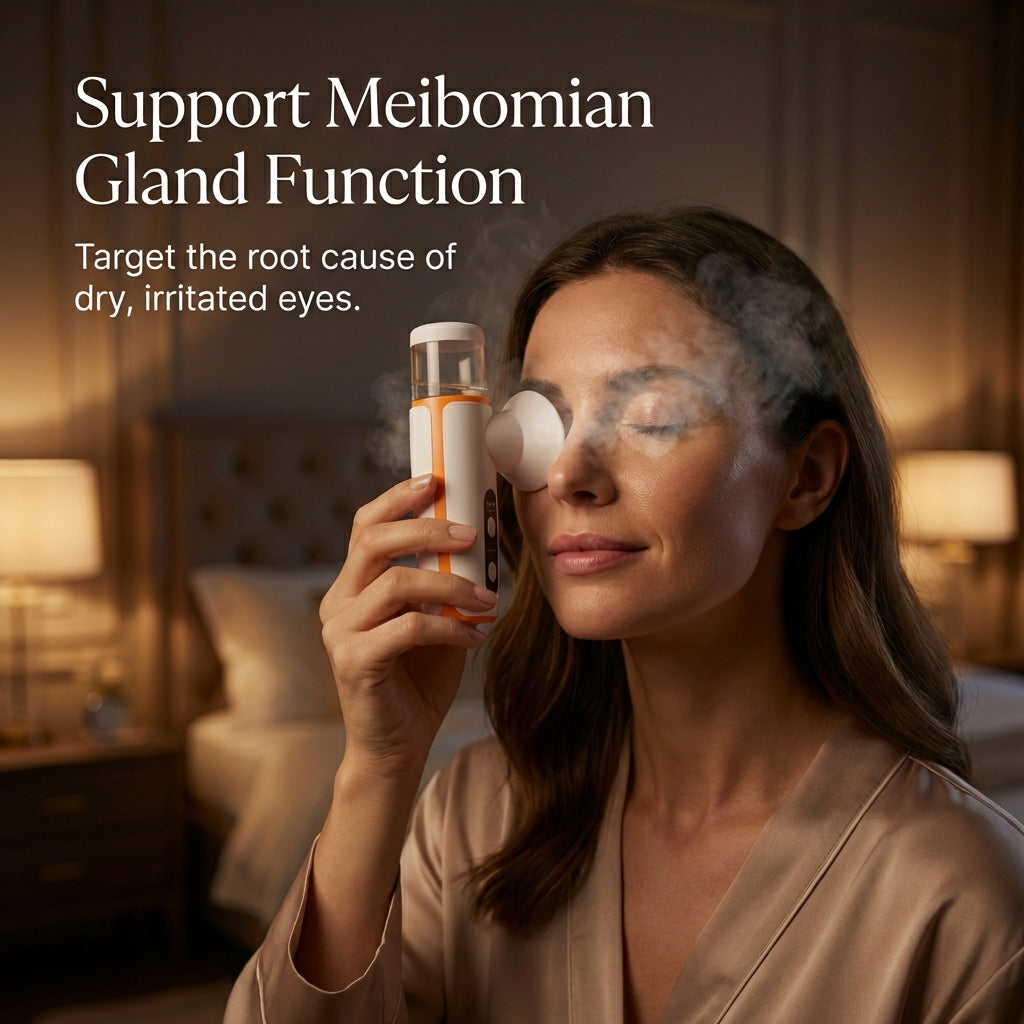
The Steam Therapy Wand
Delivers targeted moist steam at therapeutic temperatures (38–42°C) directly to the eyelids. Melts hardened gland blockages and restores natural oil flow. Portable, electric, no microwave needed. 5 minutes per session.
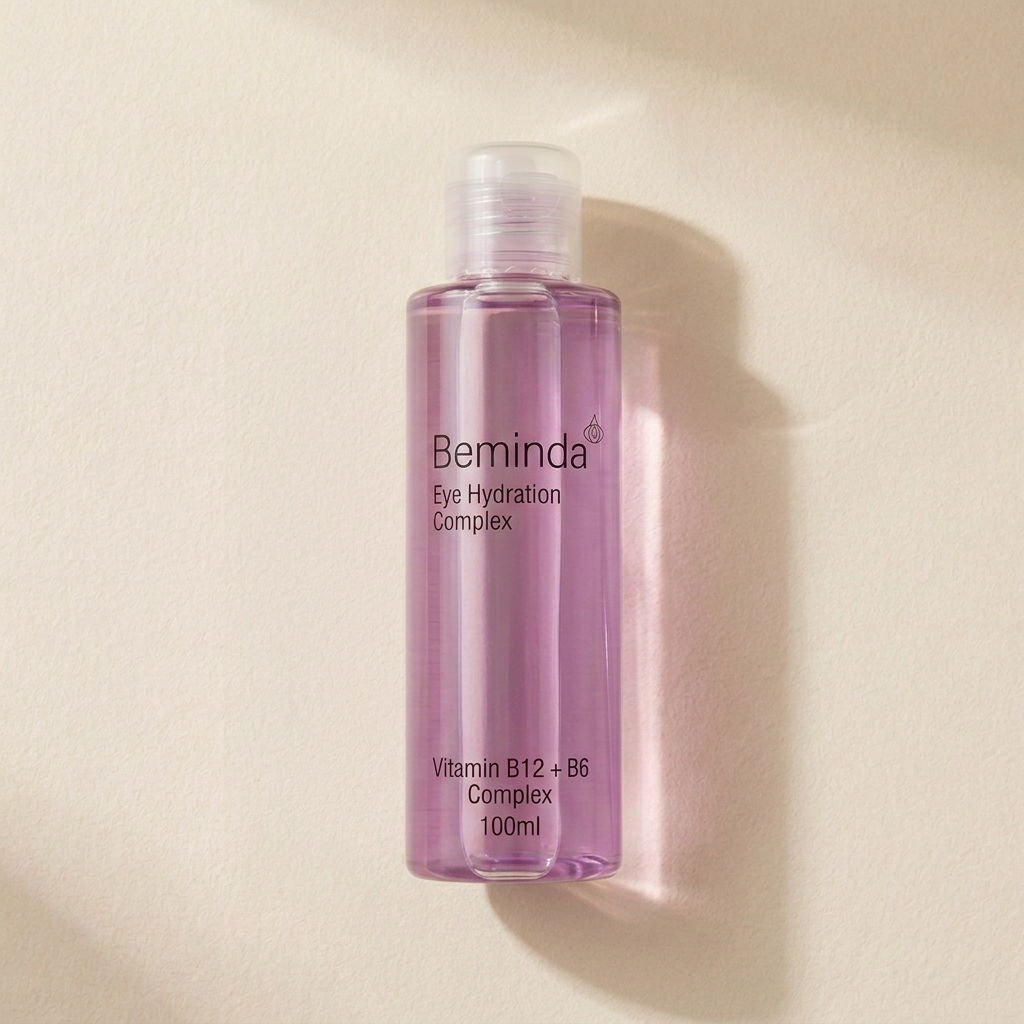
The Hydration Complex
Supports tear film quality and ocular hydration from within. Complements the external steam treatment by nourishing the foundation your eyes need to maintain moisture throughout the day.
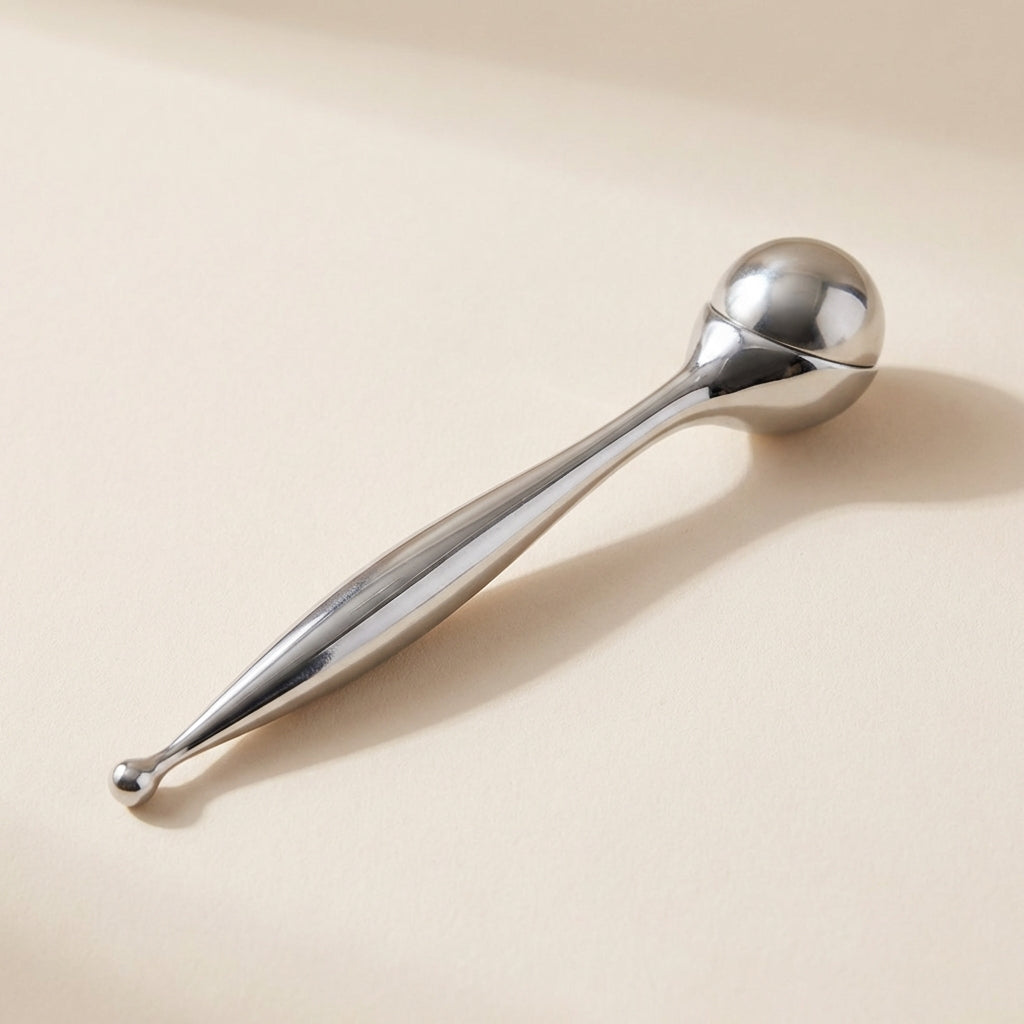
The Eyelid Massager
Helps express melted oils from unclogged glands after steam therapy. Completes the treatment cycle — steam melts the blockage, massage clears it, hydration supports the result.
From people who tried everything else first
“My eyes used to be dry all the time, and I had tried everything — eye drops, hot compresses, eye massagers. You name it. Out of everything I’ve tried, steam therapy has given me the most relief by far. It makes my eyes feel fresh, hydrated, and normal again.”
“Over several years of frustrating experience with dry eye specialists and expensive drops — $400 for one, $2,000 before insurance — and no improvement, I tried the steam therapy wand and quit all the other medications. I’m not cured, but for the first time things are looking up.”
“I couldn’t see traffic lights clearly anymore. Thought I was going blind. Three months later, my glands are producing oil again and I passed my vision test.”
Or start with just the Steam Therapy Wand →
60-day money-back guarantee. Free shipping. Zero risk.
This assessment is for educational purposes only and does not constitute medical advice. Please consult your eye care professional for diagnosis and treatment.