
ADV10PRO Visuals V1
The eye drop mistake that quietly kills the oil glands in your eyelids
If drops only last about 15 minutes for you, you're treating the wrong problem. The real one is in tiny oil glands along your lash line, and the longer they stay blocked, the more of them shut down for good.

Updated Nov 2026 · 5 min read
If you're reading this, you've probably done everything you were told to do.
The drops. The warm washcloth. The mask you heat in the microwave. Maybe a prescription that cost more than your phone bill.
And by 2pm, your eyes still burn.
You didn't do anything wrong. Every one of those treatments works on the surface of your eye, and for most people with chronic dry eye, that's not where the problem is.
It's inside your eyelids.
The glands behind 86% of dry eye
 HealthyDying
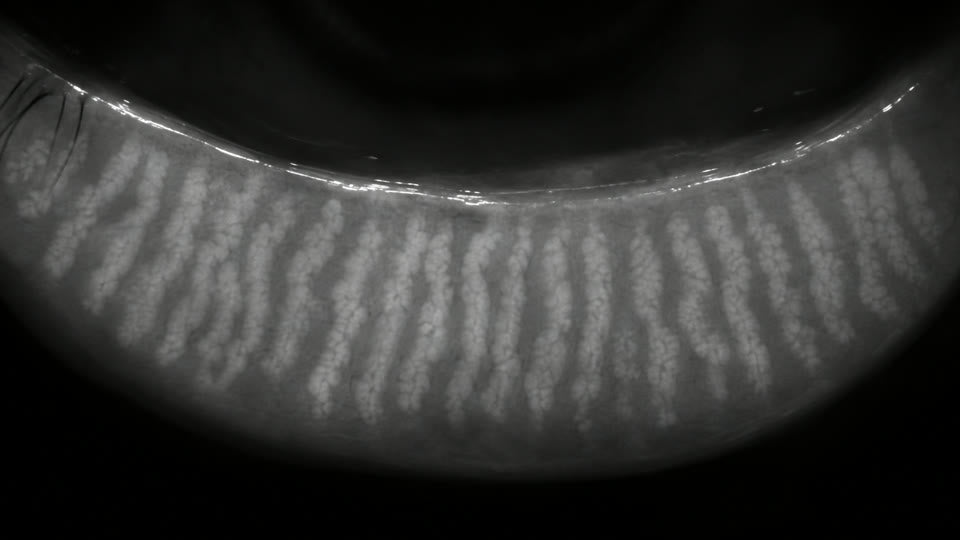
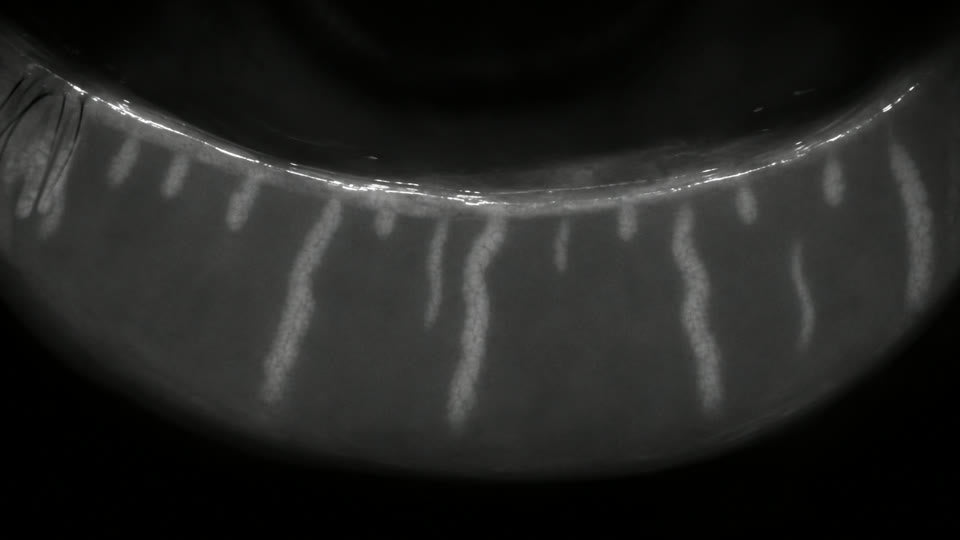
- Healthy. Full, golden glands. Every blink releases fresh oil onto your tears.
- Blocked. Hardened oil plugs the opening. The oil backs up behind it and the gland swells.
- Shrinking. With nowhere for the oil to go, the gland withers from the tip down.
- Gone. Only bare tissue is left. A gland that dies does not grow back.
Along the rim of each eyelid sits a row of tiny oil glands called meibomian glands. Every time you blink, they squeeze a thin layer of oil onto your tears.
That oil is the lid on the pot. It's what keeps your tears from evaporating.
When the oil inside those glands thickens and hardens, it plugs the openings, like the pale dots in the photo above. The oil layer thins, your tears evaporate in seconds, and your eyes start to burn, sting, and feel full of sand, no matter how many drops you put in.
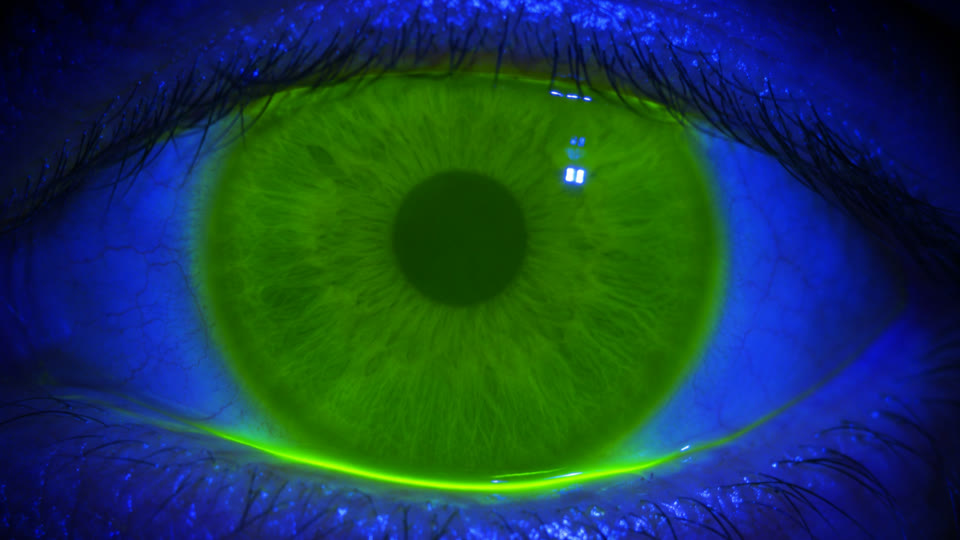
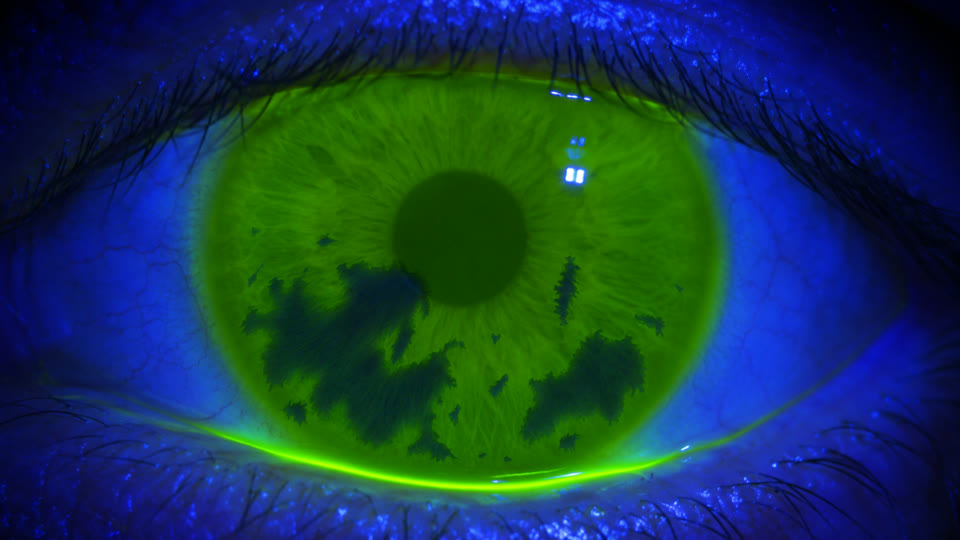
Doctors call this meibomian gland dysfunction, or MGD. In one major study, 86% of dry eye patients showed signs of it. (Lemp et al., Cornea, 2012)
Screens make it worse. When you're focused on a screen, you blink up to 66% less. Fewer blinks means less oil gets pushed out, so it sits in the gland and gets thicker.
This is the part most people never hear from their eye doctor. A gland that stays blocked long enough can shrink and stop working. Once it's gone, it doesn't grow back. That's the eye drop mistake. Drops take the edge off for a few minutes, so you can spend years using them while the glands underneath keep shutting down, and never notice it happening.
Most dry eye sufferers have no idea that gland dysfunction is involved. Gland loss is permanent and irreversible.
Why drops and compresses can't reach it
Drops add water to the surface. But with the oil layer missing, that water evaporates just as fast as your own tears. It's like topping up a pot on the stove with the lid off. You'll be refilling it all day. That's why drops last about 15 minutes.

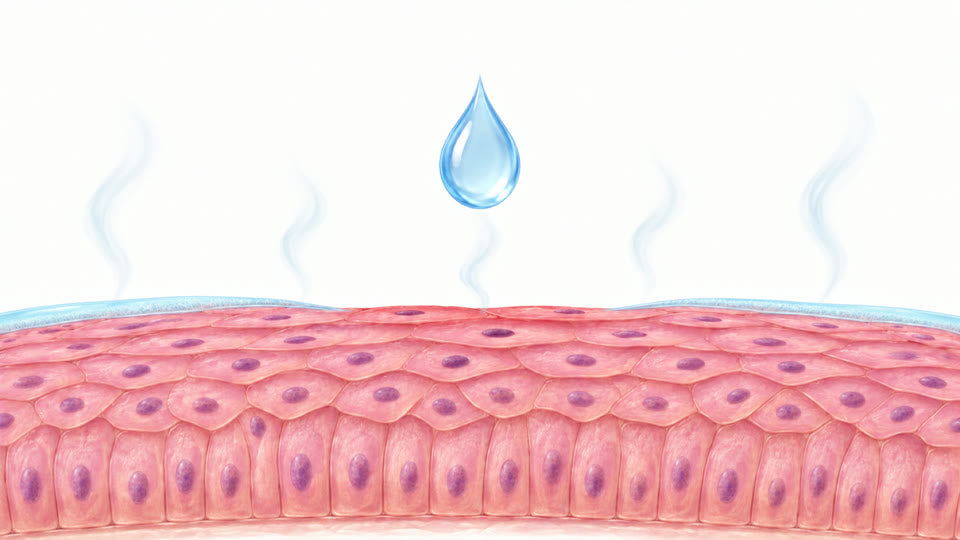
The average dry eye sufferer spends over $600 a year on drops, prescriptions, and compresses that only mask the symptoms. One patient put it bluntly: "Over several years of expensive drops, $400 for one, $2,000 before insurance, and no improvement."
Warm compresses aim at the right place. The problem is temperature. Hardened gland oil is like butter straight from the fridge. It won't soften unless it stays warm for a while. Research puts the threshold at about 104°F (40°C), held for around 10 minutes. (Borchman, Current Eye Research, 2019)
A washcloth or microwave mask starts hot, then drops below that line in 2 to 3 minutes. You get the warm, relaxing feeling. The oil never melts.
It's also dry heat. Your glands need warmth to soften, but the surface of your eye needs moisture at the same time. A dry compress gives you one without the other.
The in-office alternative, a heat treatment like LipiFlow, runs $700 to $1,500 a session, and insurance rarely covers it.
Why steam works when dry heat doesn't
Eye clinics in Europe have used steam-based eyelid warming for more than a decade. Instead of dry heat that fades after a couple of minutes, your closed eyelids sit in warm, moist vapor that holds its temperature.
The warmth softens the hardened oil, and the moisture keeps the surface of your eye from drying out while it does. You get both for the whole session, not just the first few minutes.
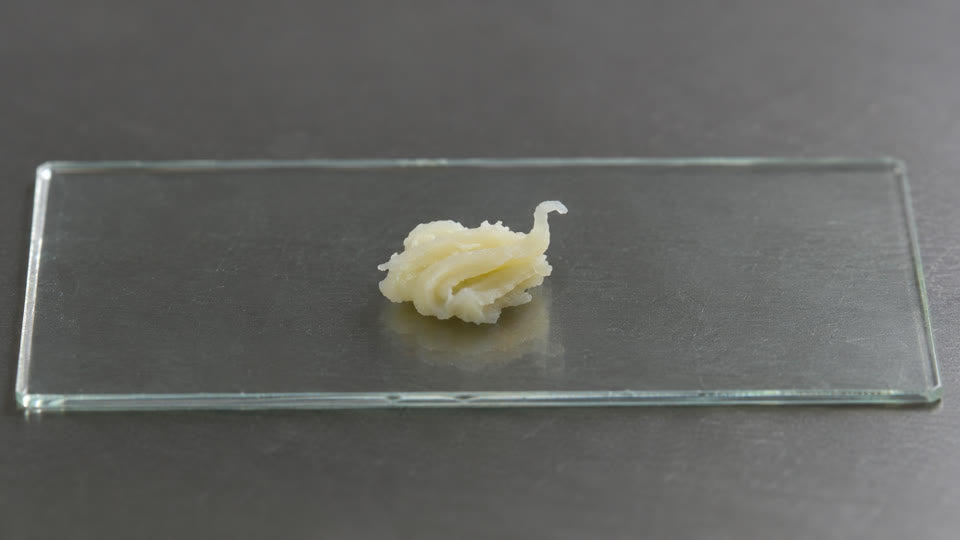
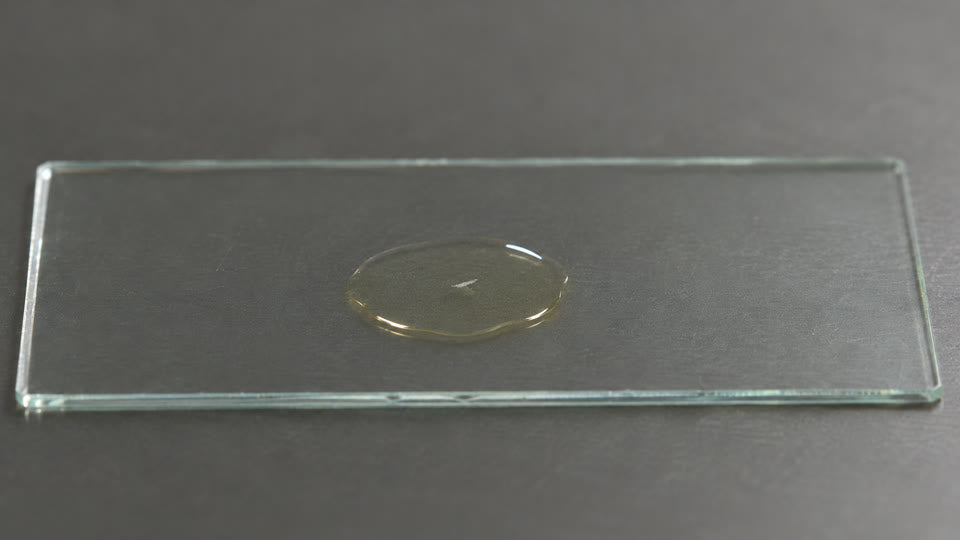
In 2025, researchers pooled 7 clinical trials with 367 patients. Steam-based moisture devices significantly outperformed standard warm compresses on tear film stability, the measure of how long your tears hold before they break up. (Ballesteros-Sanchez et al., Contact Lens & Anterior Eye, 2025)
Until recently, you needed a clinic for that. The Beminda Steam Eye Mask was built to do it at home, every day, in 12 minutes.
| Warm compress | Steam Eye Mask | |
|---|---|---|
| Heat | Fades in 2 to 3 min | Held for the full 12 min |
| Moisture | None, dry heat | Warm mist throughout |
| Temperature | Guesswork | Regulated at about 108°F (42°C) |
| Effort | Reheat and hold in place | Hands-free, shuts off by itself |
60-day money-back guarantee · Ships in 1–3 business days
What a session looks like

The Steam Eye Mask was developed with input from eye care specialists, so you can get the same kind of moist heat clinics use, at home, every day. In a single 12-minute session, it:
- Warms your eyelids to therapeutic temperature, softening blocked oils
- Hydrates your eye surface with micro-steam moisture
- Stimulates natural tear production by reactivating gland function
- Soothes burning, gritty eyes almost immediately
Here's how it works:
- Fill the small reservoir with plain bottled drinking water. That's it. No special solution, no refills to buy, no subscription.
- Press the button, wait a few seconds for it to warm up, put it on, and close your eyes.
- For 12 minutes it holds a steady 108°F (42°C) and surrounds both eyelids in warm mist. No microwave, no reheating, nothing to hold. It pairs with your phone over Bluetooth, so most people put on a podcast or music. Then it shuts itself off.
- Optional: finish with a few gentle strokes of the Precision Lid Massage Wand to help clear the softened oil out of the glands, the same step an eye doctor does in the office.
What customers are saying
 Before
 After 30 days
"My eyes are smooth again. Healthy eyes don't notice the blinking. The grit and spiky feeling every time I blink is GONE. ... Day 21 and I've bought another for my daughter."
"I was doubtful this would work. ... I went from using Rx eye drops four or more times a day to now twice a day! The steam function is amazing. ... It works. It is worth the money!"
"I went to the Optometrist in December and was told just more drops. Well more drops really didn't help much and the warm compresses only helped for 1-2 hours. ... I have been using it daily at night for 21 days, so far and the cloudiness has improved and burning has improved."
"This steam mask has saved my life! This is an amazing product, and I now have ceased using eye drops! ... my eyes have never felt so good!"
14,000+ customers · 4.6/5 stars
"Is it safe? Will I actually use it?"
On safety: the mist temperature is carefully calibrated, warm enough to be therapeutic, never hot enough to harm. It's gentler than a warm shower. A built-in sensor holds the temperature steady, and an automatic shut-off ends every session, so you can relax completely.
On actually using it: this is where compresses lose people. They need reheating every few minutes and have to be held in place. The Steam Eye Mask is cordless, charges over USB-C, and is completely hands-free. Put it on, close your eyes, and 12 minutes later you're done. Most people end up looking forward to it.
What you get

- The Steam Eye Mask. 12 minutes of steady, moist heat at about 108°F (42°C). Hands-free, cordless, and it shuts itself off.
- Nothing to keep buying. It runs on plain bottled water. No proprietary solution, no refill subscription. One purchase you use every day.
- 60 days to decide. Use it daily for up to 60 days from delivery. If it isn't working for you, you get your money back.
Recommendation from an optometrist

Dr. Rosaline Kayne, OD
Optometric Dry Eye Specialist
"I've spent over a decade treating patients with chronic dry eye, and MGD is one of the most underdiagnosed causes I see. The frustrating reality is that drops only address symptoms. They can't unclog blocked glands. That requires consistent, sustained moist heat. What I appreciate about the Beminda device is that it makes this type of therapy accessible and easy to stick with. For patients who've struggled with compress compliance or haven't found relief from drops alone, I recommend giving steam therapy a serious look."
60 days to get off the drop cycle, or your money back
Use it every day for up to 60 days from delivery. If your eyes don't feel meaningfully better, contact us and you get a full refund. No forms, no hassle.
Don't wait until your glands give out
Blocked glands don't just stay blocked. The longer the oil sits, the harder it gets, and the more glands stop working for good.
You can keep buying drops that last 15 minutes, or you can give your glands the steady, moist heat they've been missing, 12 minutes a day.
It's one purchase, it runs on plain bottled water, and you've got 60 days to try it. If it doesn't work for you, you get your money back.
I want my eyes back »60-day money-back guarantee · Ships in 1–3 business days · 14,000+ customers
Sources. Lemp MA et al., Distribution of aqueous-deficient and evaporative dry eye in a clinic-based patient cohort, Cornea, 2012. Borchman D, The optimum temperature for the heat therapy for meibomian gland dysfunction, Current Eye Research, 2019. Ballesteros-Sanchez A et al., Efficacy of eyelid warming devices as first-step treatment in meibomian gland dysfunction: a systematic review with meta-analysis, Contact Lens & Anterior Eye, 2025.